Have you ever wondered how brands show you perfect ads? Digital marketing changes rapidly every single day. Therefore, modern businesses need smart tools to reach their target audience. You might ask yourself: What Is Programmatic Display Advertising and How It Work?
This complete guide explains everything you need to know. We will break down the exact software platforms that marketers use. Additionally, you will discover how these systems buy ad space instantly.
We will explore the best strategies for digital campaigns. Furthermore, you will learn how to set up your first campaign. Consequently, this knowledge will help you grow your business faster.
What Is Programmatic Display Advertising and How It Work?
Programmatic display advertising represents a modern digital marketing method. Marketers use smart software to buy online ad space automatically. Thus, computers handle the bidding process instead of humans.
This technology targets specific users based on their data. For example, it analyzes user behavior and location instantly. As a result, brands deliver relevant messages to the right people.
Many small business owners use programmatic display advertising daily. Additionally, global brands rely on it for massive campaigns. Therefore, anyone who wants better marketing results should use this technology.

Key Features of Programmatic Display Advertising
Understanding this technology requires learning its main features. Consequently, you can maximize your marketing budget effectively. Here are the core elements that make this system powerful.
- Real-Time Bidding (RTB): The system buys ad space in milliseconds. Therefore, you always get the best possible price.
- Data Management Platforms (DMP): These tools collect and organize your audience data. Thus, you can target specific customer profiles easily.
- Demand-Side Platforms (DSP): Advertisers use DSPs to manage multiple ad exchange accounts. Additionally, this software centralizes the entire buying process.
- Supply-Side Platforms (SSP): Website publishers use SSPs to sell their ad space. As a result, they maximize their advertising revenue efficiently.
- Advanced Targeting: You can target users by age, location, and interests. Furthermore, you can retarget people who visited your website.
Read our guide on data management platforms here
How to Use What Is Programmatic Display Advertising and How It Work?
You must follow a specific process to launch successful campaigns. Therefore, we created this step-by-step tutorial for beginners. Follow these steps to build your first programmatic campaign.
Step 1: Define Your Campaign Goals
Every successful campaign starts with a clear objective. Therefore, you must decide what you want to achieve first. Do you want more website traffic or higher sales?
Define your key performance indicators clearly. For instance, you might track click-through rates or total conversions. As a result, you can measure your success accurately later.
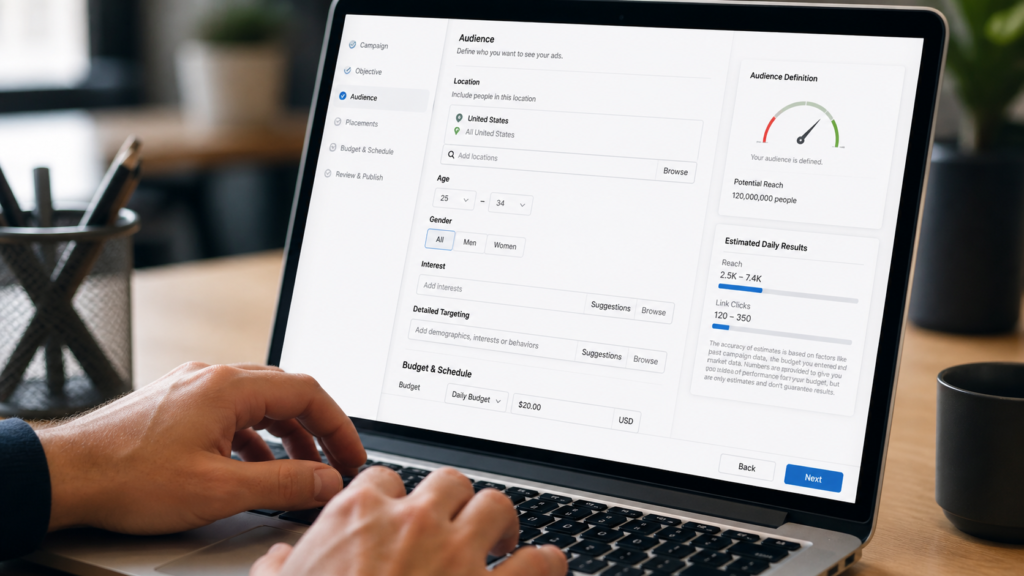
Step 2: Understand Your Target Audience
Next, you must build a detailed customer profile. Gather data about your ideal buyer’s age and interests. Consequently, your ads will reach the most relevant people.
You can use third-party data to expand your reach. However, first-party data usually provides the best conversion rates. Thus, always leverage your existing customer lists first.
Step 3: Choose the Right DSP
You need a Demand-Side Platform to buy ad space. Therefore, research different DSP options available in the market. Look for platforms that offer transparent pricing and reporting.
Some platforms require high minimum spending limits. Conversely, other platforms welcome small businesses with lower budgets. Choose the software that fits your financial resources best.
Step 4: Create Engaging Ad Creatives
Your ad design determines whether people click or scroll. Therefore, you must create visually appealing banners and videos. Use high-quality images and clear calls to action.
Test different ad formats to see what works best. For example, you might test a video against a static image. Additionally, ensure your ads look great on mobile devices.
Learn how to design high-converting display ads
Step 5: Launch and Optimize
Finally, you can launch your programmatic ad campaign. However, the work does not stop after hitting publish. You must monitor the performance data every single day.
Adjust your bids and targeting based on real results. Furthermore, pause any ads that waste your marketing budget. Continuous optimization guarantees a higher return on investment.
Benefits and Real-Life Use Cases
Programmatic display advertising offers massive advantages for modern businesses. Therefore, many companies abandon traditional media buying methods entirely. Let us explore the biggest benefits and some real examples.
This technology provides unparalleled efficiency and speed. Computers handle the negotiations instantly without human delays. As a result, marketers save countless hours every single week.
Additionally, this method offers deep data insights. Advertisers see exactly where their money goes in real-time. Thus, they can prove their return on investment easily.
Consider how the hotel brand IHG uses this technology. They wanted people to book rooms directly through their website. Therefore, they targeted users who searched for travel accommodations.
They displayed ads featuring a “book direct price” message. Consequently, they saw a massive increase in direct bookings. Furthermore, they saved money on expensive third-party commission fees.
Similarly, Audi used programmatic buying to launch a new car. They allowed users to customize vehicles on their website. Next, they used that data to show personalized car ads.
This smart strategy doubled their overall advertising efficiency. Additionally, their conversion rates jumped four times higher than before. Therefore, personalized targeting clearly drives incredible business growth.

Pros and Cons of Programmatic Display Advertising
Every marketing channel has its own strengths and weaknesses. Therefore, you must review the pros and cons carefully. This honest analysis will help you make informed decisions.
The Pros
- Massive Reach: You can reach millions of websites instantly. Thus, your brand gains incredible global visibility.
- Cost Efficiency: You only pay for highly relevant impressions. As a result, you waste less money on unqualified leads.
- Real-Time Data: The software updates performance metrics every second. Therefore, you can make quick decisions to improve results.
- Personalization: You can show different ads to different people. Furthermore, tailored messages always generate higher click-through rates.
The Cons
- Complex Setup: Beginners often find the software dashboards confusing initially. Therefore, you might need training to understand the tools.
- Ad Fraud Risks: Fake traffic bots sometimes click on digital ads. However, you can use fraud protection software to stop this.
- Brand Safety: Your ads might appear on controversial websites accidentally. Thus, you must actively manage your website exclusion lists.
Discover our top strategies for preventing ad fraud
Best Alternatives to Programmatic Display Advertising
Sometimes programmatic buying does not fit your specific needs. However, you have several powerful marketing alternatives available today. Consider these options for your next digital campaign.
First, you can use traditional direct media buying. You negotiate directly with specific website owners or publishers. Therefore, you guarantee exact ad placements on premium websites.
This approach provides maximum brand safety and control. However, it takes much more time to organize and manage. Furthermore, you usually pay higher prices for premium placements.
Second, you can focus on search engine marketing. Advertisers bid on specific keywords instead of audience data. As a result, you capture people who actively want your product.
Google Ads remains the most popular search marketing tool. Consequently, many beginners start here before trying programmatic display advertising. It offers a simpler learning curve for new marketers.

Common Mistakes to Avoid
Many new advertisers make expensive errors during their first campaigns. Therefore, you must learn from these common industry mistakes. Avoiding these pitfalls will save your advertising budget.
First, marketers often ignore their website exclusion lists completely. They let the software place ads on low-quality websites. As a result, they damage their brand reputation unintentionally.
You must update your blocklists every single week. Alternatively, you can use a whitelist of approved sites. This strategy guarantees total brand safety for your business.
Second, many people focus solely on reaching massive audiences. They ignore the quality of the incoming website traffic. Consequently, they waste money on fake bot clicks.
You must balance your reach with strict quality controls. Always check the Interactive Advertising Bureau (IAB) guidelines for best practices. You can review the official IAB standards on their website.
Finally, marketers often set their campaigns and forget them. They let the algorithm run without any human supervision. However, programmatic display advertising requires regular human optimization.
You must log into your dashboard daily to review data. Pause underperforming ads and increase bids for successful placements. Therefore, human intelligence remains crucial for digital marketing success.
Read our daily checklist for campaign optimization
Frequently Asked Questions (FAQs)
People often ask similar questions about this complex technology. Therefore, we compiled the most common queries right here. These answers will clarify any remaining confusion.
Is programmatic advertising the same as Google Display Network?
No, they are different systems. The Google Display Network represents a single ad network. However, programmatic platforms access multiple networks simultaneously, including Google’s network.
How much does programmatic advertising cost?
Costs vary wildly based on your platform and targeting. Some systems require thousands of dollars in minimum monthly spending. Conversely, other platforms allow you to start with smaller budgets.
What is the difference between DSP and SSP?
Advertisers use a DSP to buy digital ad space. Meanwhile, website publishers use an SSP to sell their space. Therefore, they represent the two opposite sides of the transaction.
Do I need an agency to run programmatic ads?
You can run campaigns yourself using self-serve platforms. However, the software involves a steep learning curve for beginners. Therefore, many brands hire experienced agencies to manage their budgets.

Final Thoughts and Next Steps
We covered a massive amount of digital marketing information today. You finally know the answer to What Is Programmatic Display Advertising and How It Work? Furthermore, you understand the core software systems involved.
This technology helps brands reach their exact target audiences instantly. It saves time while delivering incredible return on investment. Therefore, it remains the future of digital media buying.
We recommend starting with a small test budget first. Learn how the software works before spending massive amounts. Consequently, you will build confidence in your media buying skills.
Are you ready to launch your first targeted campaign? Create an account with a self-serve Demand-Side Platform today. Start optimizing your ads and watch your business sales explode!